Wondering whether a waterfront home in Lighthouse Point is worth the extra upkeep, or if an interior home might fit your lifestyle better? That is one of the most important questions you can ask in this market, because in Lighthouse Point, water shapes the city in a very real way. If you are weighing boating access, maintenance, insurance, and day-to-day convenience, this guide will help you compare both options with more confidence. Let’s dive in.
Lighthouse Point Living at a Glance
Lighthouse Point is a compact, mostly built-out coastal city where water is woven into the neighborhood layout. According to the city, about 80% of residences are single-family homes, many along 18 miles of waterways, and more than 95% of the city is already developed.
That matters because your choice here is usually not between a coastal area and a non-coastal area. It is more often a choice between direct water access and a more traditional homeownership experience within the same established, water-oriented city.
The city describes Lighthouse Point as a small town with tree-shaded neighborhoods, winding streets, cul-de-sacs, and very few vacant lots. In other words, you are typically comparing two versions of a mature community, not choosing between brand-new subdivisions.
Waterfront Homes in Lighthouse Point
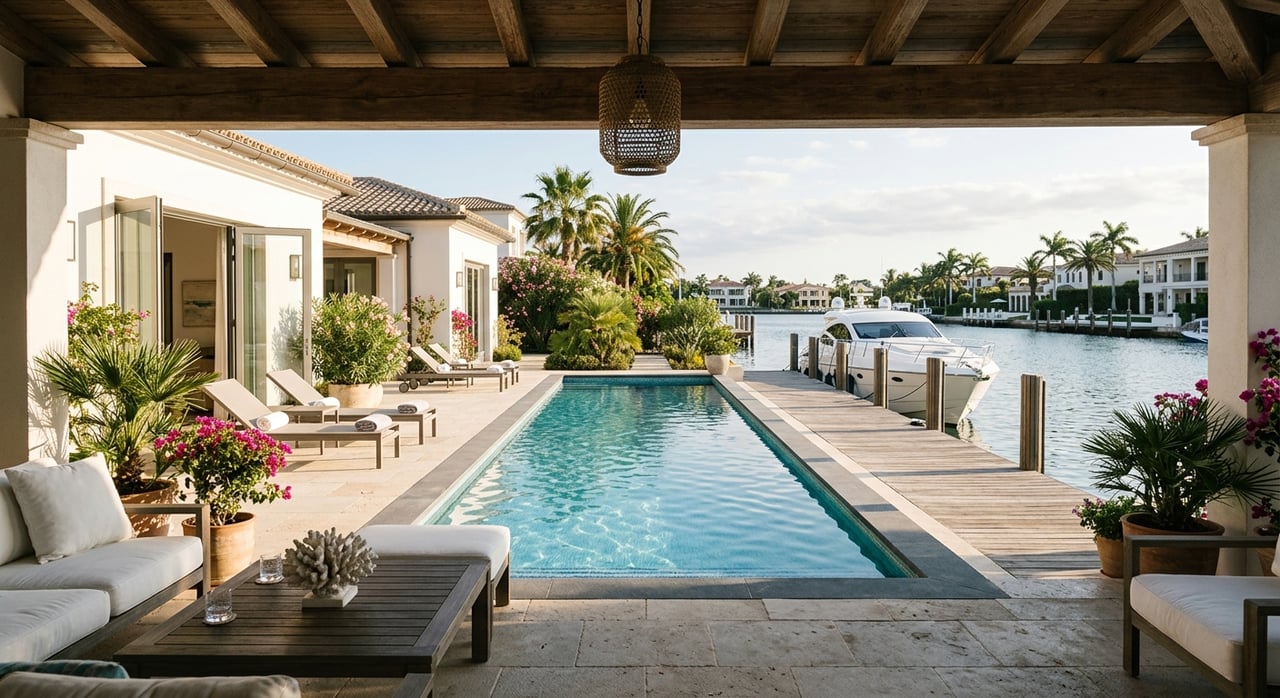
For many buyers, the biggest draw of a waterfront home is simple: you can keep your boat at home. If boating is part of your weekly routine, direct dock access can make everyday life easier and more enjoyable.
Lighthouse Point’s waterfront is generally canal- and Intracoastal-focused rather than oceanfront beach living. The city notes that its canal system is man-made and bulkheaded, the Intracoastal Waterway runs the length of the city, and there are no natural beaches or shores within city limits.
Why buyers choose waterfront
A waterfront property may be the better fit if you want:
- Direct dock access
- Easier boat storage at home
- A stronger connection to the water every day
- A property that supports a boating-centered lifestyle
If that sounds like your ideal setup, waterfront living can be hard to beat. In a city like Lighthouse Point, the convenience factor can be a major lifestyle advantage.
What waterfront ownership adds
Waterfront ownership also brings more moving parts. In Lighthouse Point, the city uses permits to regulate construction, and permits are required for projects involving docks, boatlifts, seawalls, and certain repairs.
For dock work, the city’s permit guidance says a re-deck or dock permit may also require approval from the Florida Department of Environmental Protection, along with surveys and signed plans for new docks. That means due diligence matters before you buy and again before you plan future improvements.
If you keep a boat at home, local rules also shape day-to-day ownership. The city allows mobile boat fueling only by permitted companies, which is a useful detail to understand if you are planning to use your dock regularly.
Interior Homes in Lighthouse Point
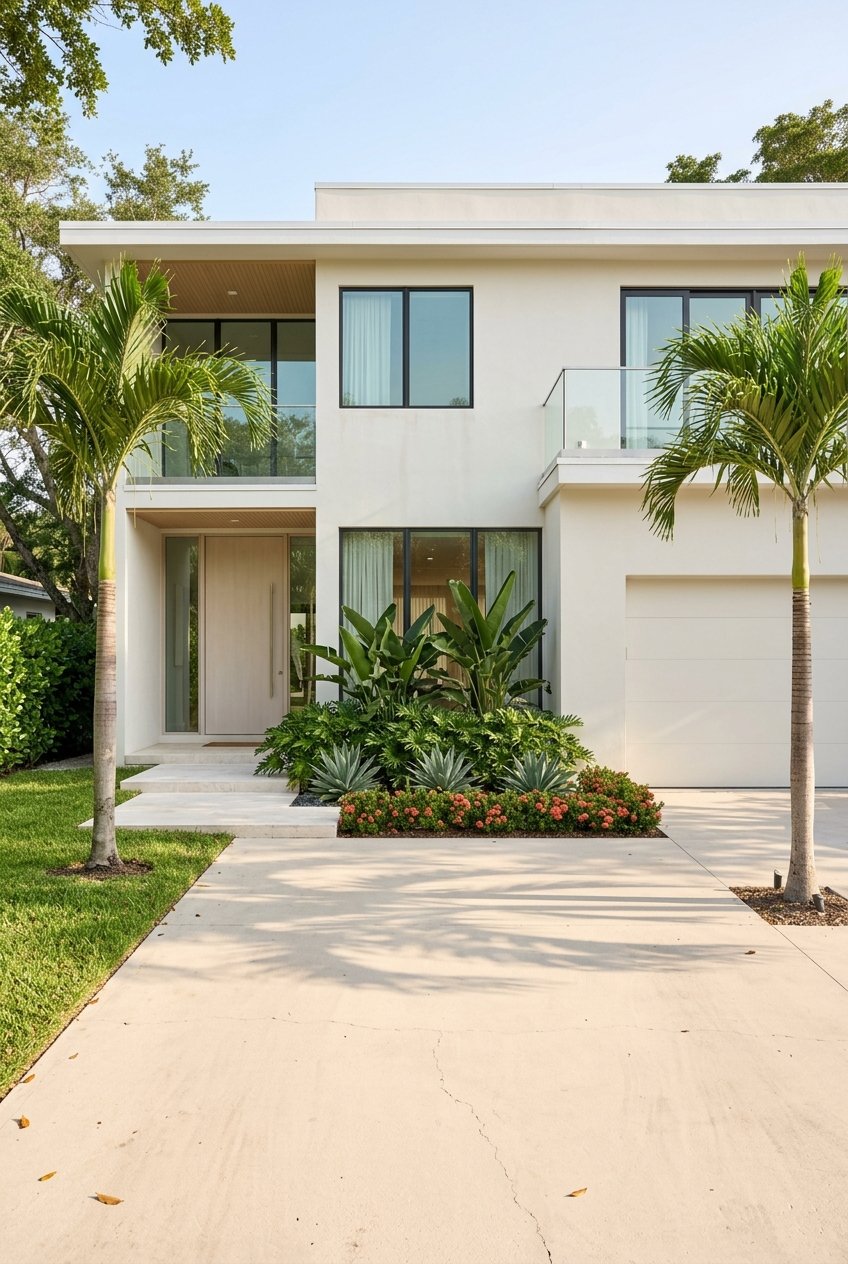
An interior home in Lighthouse Point can still give you the feel of a coastal community without the added marine infrastructure. You are still in a city shaped by canals and the Intracoastal, but your property may have a simpler ownership profile.
For many buyers, that balance is appealing. You can enjoy the character of Lighthouse Point while putting more attention on the house, yard, and everyday convenience instead of dock systems, boatlifts, or seawall concerns.
Why buyers choose interior homes
Interior homes often appeal to buyers who want:
- Less marine-related maintenance
- Fewer permitting issues tied to docks or seawalls
- A quieter ownership routine
- Easy access to neighborhood amenities and daily errands
The city describes its neighborhoods as tree-shaded and water-laced, with 13 miles of sidewalks and bike paths and easy access to Federal Highway for shopping and restaurants. That can make an interior home a strong option if you want Lighthouse Point’s setting without needing direct frontage.
What interior ownership may simplify
Interior homes usually avoid many of the extra maintenance items tied to waterfront structures. While every property is different, buyers often find that an interior home shifts the focus back to the home itself rather than marine-related upkeep.
That does not mean storm preparation disappears. The city’s public works department says Lighthouse Point maintains a system of canals and storm drains, and Florida’s Department of Financial Services notes that mitigation features such as stronger roofs, shutters, and other hardening measures may qualify a home for windstorm premium discounts.
Key Cost and Maintenance Differences
The biggest difference between waterfront and interior homes in Lighthouse Point often comes down to ownership complexity. Waterfront homes may offer a more specialized lifestyle, but they can also require more review during the purchase process.
Here is a simple way to think about it:
Home Type | Main Lifestyle Benefit | Main Ownership Consideration |
|---|---|---|
Waterfront home | Direct water access and boating convenience | More maintenance, permitting, and flood review |
Interior home | Simpler day-to-day ownership in the same city | Less direct access to boating from home |
For buyers, this is not just about preference. It is also about how much time, budget, and attention you want to devote to long-term upkeep.
Flood, Wind, and Insurance Questions
Lighthouse Point identifies itself as flood-prone, so flood-zone review should be part of your process, especially for waterfront homes. The city says FEMA elevation certificates are available upon request through the building department, and it also directs residents to FEMA flood map tools.
Another important point is that flood coverage is generally separate from standard homeowners insurance. FEMA and FloodSmart state that most homeowners insurance policies do not cover flood damage, and the National Flood Insurance Program notes that homes in a Special Flood Hazard Area with a government-backed mortgage are generally required to carry flood insurance.
Wind protection matters too. The Florida Department of Financial Services says a wind mitigation inspection can help identify discounts and credits for the windstorm portion of an insurance premium.
Questions to ask before you buy
Whether you are buying waterfront or interior, these questions can help you make a more informed decision:
- Does the property require flood insurance, and what does your lender require?
- Is there an elevation certificate available?
- Has the home been updated with wind-mitigation features like shutters or roof improvements?
- If the property is waterfront, were the dock, boatlift, seawall, or drainage changes properly permitted?
- If you boat often, does the canal access and inlet proximity match how you plan to use the boat?
- Has the seller kept permit records, inspection history, or sign-offs for past work?
These are the kinds of details that can shape your actual ownership experience after closing.
How to Decide What Fits You Best
If you love the idea of walking out to your dock, keeping your boat at home, and building daily life around the water, a waterfront home may be the right fit. In Lighthouse Point, that lifestyle is a real part of the city’s appeal.
If you would rather enjoy the same small-city setting with fewer marine-related responsibilities, an interior home may be the smarter choice. You can still enjoy Lighthouse Point’s established neighborhoods, tree-lined streets, and coastal location without taking on the same level of water-related upkeep.
The best choice depends on your routine, your comfort with maintenance, and how closely you want your home tied to boating. Because Lighthouse Point is already so water-oriented, the decision is often less about location prestige and more about how you want to live day to day.
When you are comparing waterfront and interior homes in Lighthouse Point, having the right local guidance can make all the difference. For personalized advice on property type, neighborhood fit, and the details that matter most in this market, connect with Colleen Rodriguez & Duffy Dillon.
FAQs
What is the main difference between a waterfront and interior home in Lighthouse Point?
- A waterfront home offers direct canal or Intracoastal access and may suit a boating lifestyle, while an interior home usually offers a simpler ownership experience without dock and seawall responsibilities.
Do waterfront homes in Lighthouse Point require more permits?
- Yes. The city says permits are required for projects involving docks, boatlifts, seawalls, and certain repairs, so buyers should verify what work has been completed and permitted.
Is flood insurance important for Lighthouse Point homes?
- Yes. Lighthouse Point identifies itself as flood-prone, and flood insurance is separate from standard homeowners insurance, so buyers should review flood-zone status and lender requirements early.
Are interior homes still close to the water in Lighthouse Point?
- Yes. Even interior homes are part of a city shaped by canals, the Intracoastal, and established water-oriented neighborhoods.
What should buyers review before purchasing a waterfront home in Lighthouse Point?
- Buyers should review flood-zone details, elevation certificates, permit history for docks and seawalls, boating access, and any records tied to past improvements or inspections.