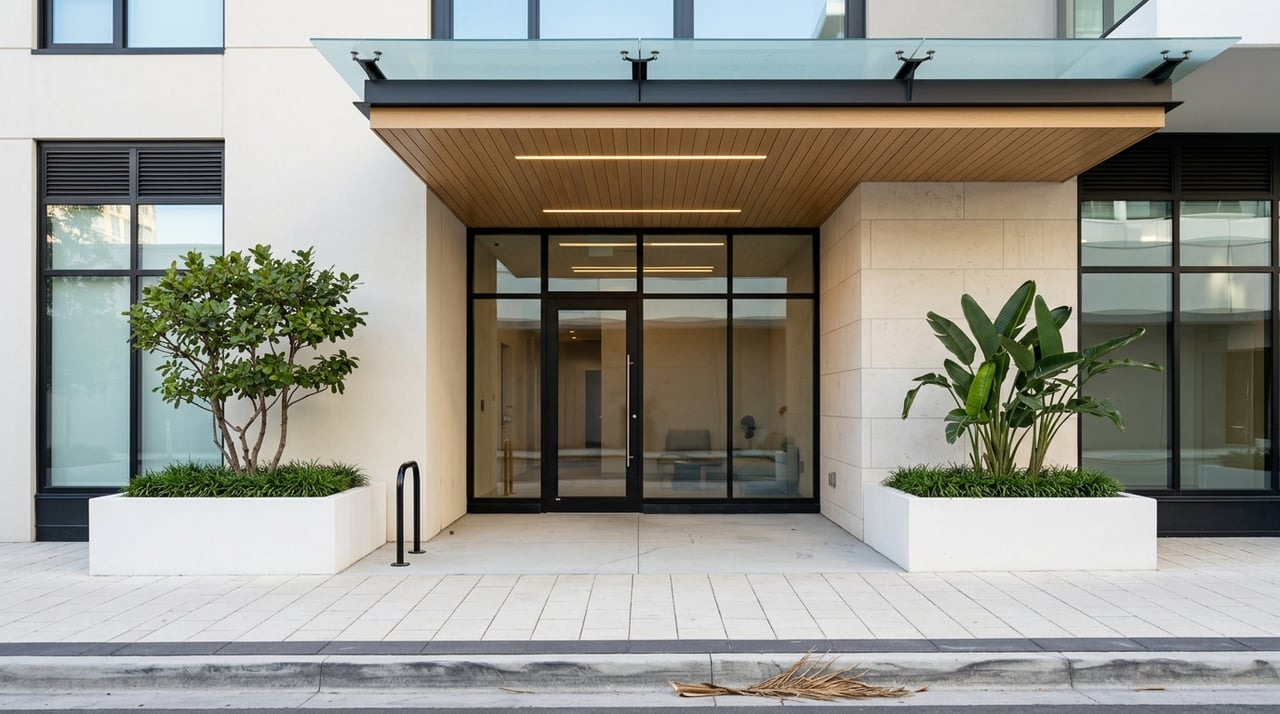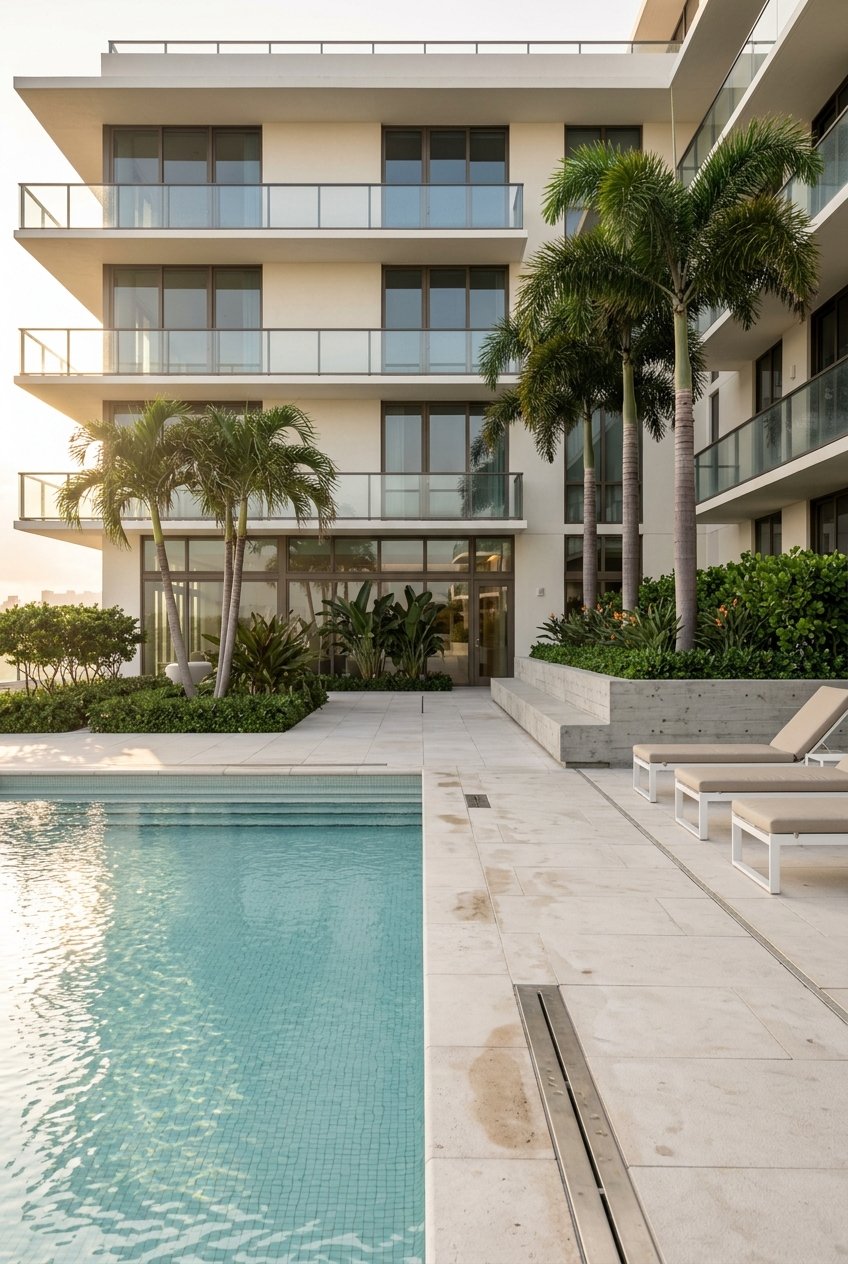
Wondering whether now is a smart time to buy or sell a condo in Downtown Fort Lauderdale? You are not alone. This part of the market can look exciting from the outside, but once you start comparing buildings, fees, amenities, and pricing, it becomes clear that downtown is not one simple condo market. In this guide, you will get a practical look at current market conditions, pricing, building differences, and the details that matter most before you make a move. Let’s dive in.
How the downtown condo market works
Downtown Fort Lauderdale is best understood as a mixed-use urban core, not a single strip of similar condo towers. The City of Fort Lauderdale describes downtown as a dense center built around housing, offices, entertainment, public spaces, and connections across the New River. Riverwalk spans a 3-square-mile district along the river, and Brightline adds another layer of downtown access and convenience.
That mix shapes how buyers and sellers experience the market. Some condos are close to Las Olas, some are more river-oriented, and others compete based on access, views, or building amenities. As a result, two units with similar square footage can perform very differently depending on the building and location.
Current market snapshot
Recent data points to a buyer-leaning condo market in and around downtown. Realtor.com’s downtown snapshot shows 114 homes for sale, a median list price of $769,000, about 80 days on market, and a 95% sales-to-list-price ratio.
Zip code data shows even more inventory depth. In Florida Realtors’ Q1 2026 condo and townhouse metrics, 33301 had 246 active listings and 10.4 months of supply, while 33304 had 431 active listings and 18.1 months of supply. Citywide, Fort Lauderdale ended 2025 with 3,381 active condo and townhouse listings and 12.3 months of supply.
For you, that means buyers may have more room to compare options and negotiate, especially outside the most desirable towers or best view lines. For sellers, it means pricing, presentation, and building reputation matter more than ever.
Why downtown is not one price point
One of the biggest mistakes people make is assuming downtown condos all trade in the same range. They do not. Current online listings in the 33301 area show condos from about $259,500 for a one-bedroom, one-bath unit up to $3.2 million for a larger high-end residence, with some downtown examples reaching about $3.9 million.
This wide spread reflects a layered market. Entry-level opportunities still exist, often in older or less amenity-heavy buildings. The middle of the market is filled with one- and two-bedroom condos, while the top end is driven by larger residences in prime riverfront or Las Olas locations.
It is also worth noting that listing counts vary from one portal to another because each site may define “downtown” a little differently. That is why local interpretation matters when you are trying to compare supply, pricing, and competition.
Building age changes the conversation
Downtown Fort Lauderdale has a mixed condo inventory, and that has a direct effect on value. ACS-based neighborhood data shows a median construction year of 1991. About 26% of homes were built in 2000 to 2009, 25.6% in 2010 to 2019, and 10% in 2020 or later, with a meaningful share dating back to the 1950s through the 1970s.
In plain terms, buyers are shopping across several generations of condo product at the same time. A newer tower may compete on finishes, systems, design, and amenity package. An older building may compete on layout, location, price point, or whether major maintenance work has already been addressed.
You can see that difference in real examples. 100 Las Olas lists a 2019 build year, while Nu River Landing lists a 2006 build year and highlights amenities such as riverfront access, valet, security, a rooftop pool, fitness center, business center, and racquetball court. Those differences help explain why one downtown condo may feel turnkey and premium, while another may need more due diligence before you commit.
Amenities play a bigger role downtown
In this market, value is not just about what is inside the unit. Many downtown towers now compete with full-service, resort-style amenities. Official tower sites in the area highlight features such as 24-hour front desk or concierge service, valet, security, pool decks, fitness centers, social lounges, business or co-working space, and EV charging.
That matters because downtown buyers often want more than square footage. They are comparing convenience, lock-and-leave ease, lifestyle features, and the feel of the building itself. In a walkable urban core shaped by Riverwalk, the New River, Las Olas proximity, and Brightline access, those factors can influence both buyer demand and resale performance.
What buyers should watch closely
If you are buying a condo downtown, price is only one part of the decision. In a market with higher inventory and a broad mix of building ages, the smartest buyers look past the listing photos and ask better building-level questions.
Focus on these key areas:
- Association financials
- Reserve funding status
- Special assessment exposure
- Inspection status for older buildings
- Leasing rules and restrictions
- Parking arrangements
- Renovation history or upcoming capital work
These details matter because Florida condo rules now play a major role in resale value and buyer confidence. Under Florida Statute 553.899, certain buildings three habitable stories or more must complete milestone inspections when they reach the required age threshold and then at regular intervals after that. Under Florida Statute 718.112, associations subject to structural integrity reserve study requirements generally may not waive or underfund required reserve items after December 31, 2024, and 2025 legislation extended the SIRS completion deadline to December 31, 2025 while allowing a two-budget-year delay after a milestone inspection for some associations.
The takeaway is simple. In older towers especially, inspection progress, reserve funding, and assessment risk can affect financing, buyer demand, and ultimate value. This is where strong condo guidance can save you from expensive surprises.
Why well-positioned units still sell
Even in a buyer-leaning market, not every condo struggles equally. Well-priced, move-in-ready units in stronger buildings can still stand out. MIAMI REALTORS reported that cash buyers accounted for more than half of Southeast Florida condo and townhome sales in April 2025, which helps explain why clean, well-documented listings can still move.
For buyers, that means competition can still show up for the right unit. For sellers, it means you cannot rely on the broader market alone. Your condo needs to be positioned well, priced realistically, and supported by clear building information if you want strong results.
What sellers need to know now
If you are thinking about selling a downtown condo, today’s market rewards preparation. Buyers have options, and many are comparing not just your unit, but your building against several others in the same general price band.
Before listing, it helps to understand how buyers are likely to weigh your condo:
- Location within downtown
- Proximity to Las Olas or the river
- View line and natural light
- Amenity package
- Age and condition of systems
- Association finances and reserve strength
- Any known or pending assessments
- Recent capital improvements
The strongest values downtown tend to come from a combination of location, building management, updated systems or completed capital work, strong amenities, and clear association financials. If your building has unresolved maintenance concerns or uncertain reserve funding, buyers may expect a price adjustment before they move forward.
A practical way to evaluate a downtown condo
Whether you are buying or selling, it helps to think in layers rather than looking at price alone. A smart downtown condo evaluation usually includes four buckets.
Location value
Look at how the condo sits within downtown. Access to the river, Las Olas, Riverwalk, or Brightline can shape demand. Walkability and view corridors also tend to matter in this part of the market.
Building quality
Consider the building’s age, maintenance history, systems, staffing, and common-area condition. A newer tower may command a premium, but an older building with strong upkeep and completed projects can still offer solid value.
Financial health
Review reserve funding, milestone inspection status where applicable, and any special assessment discussions. These issues can affect both monthly cost and future resale appeal.
Unit-specific appeal
Then look at the residence itself. Floor plan, exposure, finishes, balcony, parking, and move-in condition all influence what buyers are willing to pay.
Why local condo guidance matters
Downtown Fort Lauderdale can reward careful decision-making, but it can also punish quick assumptions. Two condos that look similar online may carry very different ownership costs, resale outlooks, or negotiation leverage once you dig into the building details.
That is why many buyers and sellers want more than a simple search portal experience. In a market with broad price bands, mixed building ages, and evolving condo rules, local guidance helps you sort through the noise and focus on the factors that truly affect your next move.
If you are weighing a downtown condo purchase or preparing to sell, working with advisors who understand Broward condo and HOA dynamics can make the process much clearer. For a strategic, plain-English conversation about your options in Downtown Fort Lauderdale, connect with Colleen Rodriguez & Duffy Dillon.
FAQs
What is the current condo market like in Downtown Fort Lauderdale?
- Downtown Fort Lauderdale is currently leaning toward buyers, with higher inventory, longer market times, and room for negotiation in many buildings.
What price range should you expect for Downtown Fort Lauderdale condos?
- Current listings show a wide range, from roughly the mid-$200,000s for some smaller units to several million dollars for larger luxury residences.
Why do Downtown Fort Lauderdale condo prices vary so much?
- Prices can vary based on building age, location, amenities, views, association financial health, and whether the building has completed major maintenance or capital work.
What should buyers review before purchasing a Downtown Fort Lauderdale condo?
- Buyers should review reserve funding, milestone inspection status where applicable, possible assessments, leasing rules, parking, and the overall condition and financial health of the building.
What helps a Downtown Fort Lauderdale condo sell faster?
- Well-priced, move-in-ready units in stronger buildings with clear financials, good amenities, and desirable location features tend to attract the most buyer interest.
Why is building age important in the Downtown Fort Lauderdale condo market?
- Building age often affects maintenance needs, inspection requirements, reserve planning, amenity style, and how buyers compare value across older and newer towers.