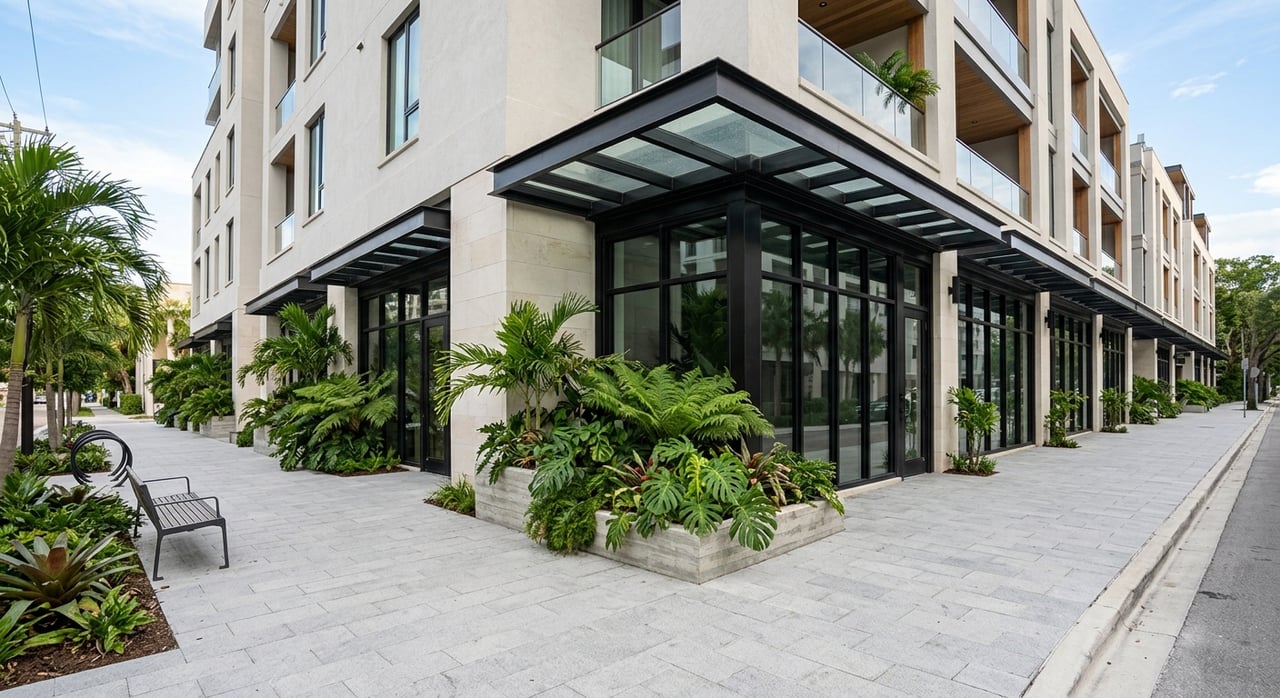
Buying a condo in Downtown Fort Lauderdale can feel simple at first. You find the right view, the right floor plan, and the right location, then suddenly you are staring at budgets, bylaws, reserves, and inspection reports. If you want to avoid surprises, it helps to understand how condo associations work before you commit. Let’s dive in.
What a condo association does
In Downtown Fort Lauderdale, a condo association is the body that helps run the building’s operations and finances. The association follows the condominium declaration, bylaws, and rules, collects common expenses through assessments, and keeps official records that owners can inspect.
For you as a buyer or seller, that means the association is not just background paperwork. It plays a major role in monthly costs, building maintenance, repair planning, and how the community functions day to day.
Why condo associations matter in Downtown Fort Lauderdale
Condo living often appeals to buyers who want a more maintenance-minded lifestyle, shared amenities, or a central location near restaurants, offices, and the waterfront. But in a market like Downtown Fort Lauderdale, association health can have a real effect on both your ownership costs and your resale outlook.
A well-run association can support smoother ownership and stronger confidence in the building. An association with weak reserves, unclear repair plans, or pending assessments can raise questions that affect your budget, your financing options, and your future sale.
How Florida law shapes condo ownership
Florida law gives condo associations a defined structure for governance, budgeting, records, and buyer disclosures. Buyers in a condo resale are entitled to receive key documents before closing, including the declaration, articles, bylaws, rules, the most recent annual financial statement and annual budget, and the FAQ document.
If applicable, the disclosure package may also include a summary of a milestone inspection, a turnover inspection report, and the most recent Structural Integrity Reserve Study, also called a SIRS. If a buyer does not receive the required documents on time, Florida law provides a 7-day cancellation right, excluding Saturdays, Sundays, and legal holidays.
That timeline matters because it gives you a short but important window to review what you are buying. It is one reason condo purchases deserve close document review, especially in older or taller buildings.
Fees, budgets, and reserve accounts
One of the biggest questions buyers ask is simple: what do condo fees actually cover? The answer varies by building, but Florida law requires condo budgets to be detailed and to include reserve accounts for capital expenditures and deferred maintenance.
The statute specifically identifies items such as roof replacement, building painting, and pavement resurfacing, along with other qualifying components above the legal threshold. Reserve amounts must be based on useful life and replacement cost or deferred maintenance expense.
In plain language, reserves are money set aside for future major repairs and replacement needs. If those reserves are healthy, the association may be better prepared for predictable projects. If they are not, owners may face higher regular assessments, special assessments, or financing through loans or lines of credit.
Why SIRS is a big deal
For certain taller residential condo buildings in Florida, the association must obtain a Structural Integrity Reserve Study at least every 10 years. A SIRS is based on a visual inspection and must evaluate major items such as the roof, structure, fireproofing and fire protection systems, plumbing, electrical systems, waterproofing and exterior painting, windows and exterior doors, plus other large deferred-maintenance items affecting those systems.
The study must be performed or verified by a licensed engineer, licensed architect, or qualified reserve specialist or analyst. This requirement gives buyers and owners a more formal picture of long-term repair and replacement obligations.
Many people assume a reserve study is just another budget worksheet. It is much more than that. It can shape how the association funds future maintenance and how lenders view the building.
Milestone inspections versus SIRS
This is where many buyers get confused. Milestone inspections and SIRS are separate requirements under Florida law, even though they may sometimes be done together.
A milestone inspection focuses on structural safety oversight. A SIRS focuses on reserve funding for major building components. They work together, but one does not automatically replace the other.
That distinction matters in Downtown Fort Lauderdale, where building age and height can trigger additional review. Understanding which reports exist, which are complete, and which are still pending can help you ask better questions before closing.
Broward and Fort Lauderdale safety oversight
Local oversight matters too. Broward County’s Building Safety Inspection Program applies to buildings and structures that are 25 years old or older and repeats at 10-year intervals. Florida’s state milestone-inspection law applies to residential condo and cooperative buildings that are three or more habitable stories tall.
According to Fort Lauderdale, Broward’s program can serve as compliance for buildings that must also satisfy state milestone-inspection requirements. For buyers looking at older downtown buildings, this is an important piece of the puzzle because local and state requirements can intersect.
What stricter reserve rules mean for owners
Florida’s reserve rules have become much stricter than the older practice of simply voting to waive funding. For budgets adopted on or after December 31, 2024, a unit-owner-controlled association that must obtain a SIRS generally may not vote to provide no reserves or less reserves than required for SIRS items.
Those reserves can be funded through regular assessments, special assessments, lines of credit, or loans. A special assessment, loan, or line of credit typically requires majority approval.
There is also a limited pause allowed after a milestone inspection so an association can prioritize repair work first. Still, for many owners and buyers, the practical takeaway is clear: monthly costs may rise when a building needs to catch up on repairs or reserve funding.
Documents buyers should review carefully
When you buy a Downtown Fort Lauderdale condo, the disclosure packet is only the starting point. You should also pay attention to the association’s broader official records, because they can reveal patterns that a summary document may not fully show.
Key items to review include:
- The declaration, bylaws, and rules
- The most recent annual budget
- The most recent annual financial statement
- The FAQ document
- Reserve studies, including the most recent SIRS if applicable
- Milestone-inspection summaries and reports if applicable
- Insurance policies
- Contracts
- Meeting minutes and recent meeting packets
- Turnover-inspection reports if applicable
Under Florida law, owners can request inspection of official records, and the association must generally make them available within 10 working days. If the association manages 25 or more units, it must also maintain a website or mobile app with specified records posted.
Why meeting minutes and budgets tell a story
Numbers matter, but context matters too. Florida requires owners to receive advance notice of the budget meeting and a copy of the proposed budget, and condominiums with more than 10 units must hold board meetings at least quarterly.
That makes recent minutes and meeting packets especially useful. They can help you spot discussion of repair planning, insurance changes, reserve concerns, contractor issues, or the possibility of future dues increases.
You are not just looking for perfect records. You are looking for clarity, consistency, and signs that the board is addressing issues in an organized way.
Financial reports and association transparency
Florida also requires an annual financial report within 90 days after the end of the fiscal year. The level of reporting depends on annual revenue, ranging from a cash-receipts report for smaller associations to an audited report for associations with $500,000 or more in annual revenue.
For buyers, that report can serve as another checkpoint. It will not tell you everything, but it can help you understand the scale of the association’s operations and whether the financial picture appears current and organized.
Rules that can affect daily condo life
Every building is different, and that is why it is risky to rely on assumptions. The declaration, bylaws, and rules are where you will typically find building-specific policies on leasing, pets, parking, balcony use, renovations, noise, storage, and amenity use.
If any of those topics matter to you, review the recorded documents closely. A rule that seems minor during contract review can become a major issue after closing if it conflicts with how you plan to use the property.
Permit history matters too
If a unit has been renovated, or if the building has had recent work, permit history is another smart item to check. Fort Lauderdale requires permits for many construction, alteration, repair, and demolition projects, and Broward County’s process includes contractor verification and inspection steps where applicable.
That does not mean every improvement is a problem. It simply means you should ask whether the work was properly permitted and completed through the required process.
How condo association health affects financing and resale
Association health does not only affect current owners. It can also influence who can buy your unit later and what type of financing may be available.
Fannie Mae has stated that projects with critical repairs, significant deferred maintenance, or special assessments create financing risk. It has also said that unresolved significant deferred maintenance can make a condo loan ineligible for sale to Fannie Mae until repairs are completed.
For you, the practical point is this: a building’s financial and physical condition can affect monthly dues, the chance of a future special assessment, buyer confidence, and how smooth the resale process may be.
Common red flags to watch for
Not every issue is a dealbreaker, but some deserve extra attention. In Downtown Fort Lauderdale condo reviews, a few warning signs tend to stand out.
Look closely at:
- A missing or outdated SIRS
- Repeated reserve waivers or underfunding
- A budget that does not align with the reserve study
- Unclear inspection or repair timelines
- A pending or recently levied special assessment
- Signs of significant deferred maintenance
These issues do not always mean you should walk away. They do mean you should slow down, ask questions, and review the documents with the right professionals.
The right review team for condo buyers and sellers
Condo transactions often involve more moving parts than buyers expect. A practical review team usually includes your real estate agent, a Florida condo attorney, your lender, and, when the building is older or showing maintenance concerns, a structural professional.
That team approach matters because lenders review budgets, reserve studies, special assessments, and deferred-maintenance issues during underwriting. At the same time, Florida law requires qualified professionals for milestone inspections and SIRS work.
For sellers, this same preparation can help you anticipate buyer concerns before they become negotiation problems. For buyers, it can help you move forward with more confidence and fewer surprises.
Why local guidance matters in Downtown Fort Lauderdale
Downtown Fort Lauderdale offers a wide range of condo options, from established buildings to newer towers, and each one can have a different financial profile, document trail, and rule structure. Two condos with similar prices and similar views can come with very different ownership realities.
That is why careful review matters so much here. When you understand the association, you are not just evaluating a unit. You are evaluating the building’s governance, maintenance planning, and long-term cost structure too.
If you are buying or selling a condo in Downtown Fort Lauderdale, having experienced guidance can make the process feel far more manageable. For clear, strategic support with condos and HOA communities, connect with Colleen Rodriguez & Duffy Dillon.
FAQs
What does a condo association do in Downtown Fort Lauderdale?
- A condo association manages building operations and finances under the declaration, bylaws, and rules, collects assessments, and maintains official records for owners to inspect.
What documents should condo buyers review in Downtown Fort Lauderdale?
- Buyers should review the declaration, articles, bylaws, rules, annual budget, annual financial statement, FAQ document, reserve studies, milestone-inspection materials if applicable, insurance information, contracts, and meeting minutes.
What is a SIRS for a Florida condo building?
- A Structural Integrity Reserve Study is a required long-term reserve study for certain taller residential condo buildings in Florida, covering major components like the roof, structure, plumbing, electrical systems, windows, and waterproofing.
Are milestone inspections and SIRS the same for Fort Lauderdale condos?
- No. Milestone inspections and SIRS are separate legal requirements in Florida, even though they may sometimes be performed together.
Why do condo reserves matter when buying in Downtown Fort Lauderdale?
- Reserves matter because they help fund future major repairs and replacements, and weak reserves can lead to higher dues, special assessments, or financing concerns.
How can a condo association affect resale in Downtown Fort Lauderdale?
- Association health can affect buyer confidence, monthly carrying costs, special-assessment risk, and whether a buyer can obtain certain financing for the unit.
What is an estoppel certificate in a Florida condo sale?
- An estoppel certificate lists the unit’s assessments, special assessments, and other money owed, and it is an important document in the sale process.
Why should condo buyers check permit history in Fort Lauderdale?
- Permit history can help confirm whether renovations or building work were completed through the required local permitting and inspection process.